
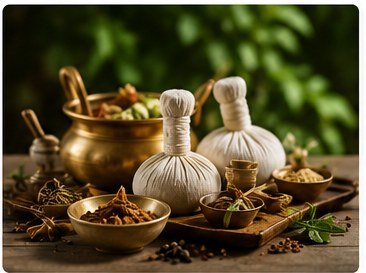
The Role of Herbs in Ayurveda
Herbs have an important place in traditional Ayurvedic practice. They may be used in different forms and combinations as part of an individualised approach to health and wellness.
Ayurvedic herbal practice is not simply about choosing a popular herb for a particular symptom. Traditional selection considers the person, the nature of the concern, digestion, constitution, season and other factors.
Why Herbal Choices Are Individualised
The same herb may not be appropriate for every person. Ayurveda traditionally considers qualities, dose, preparation, timing and suitability when selecting herbal interventions.
Different Forms of Herbal Preparations
Traditional Ayurvedic herbs may be prepared in different forms, including powders, decoctions, infused preparations, tablets and other formulations. The appropriate form depends on the intended use and individual treatment plan.
Food Herbs and Therapeutic Herbs
Some plants and spices are commonly used as part of food, while others are used more specifically within traditional Ayurvedic practice. Context, quantity and preparation are important when considering their use.
Quality and Responsible Use
Herbal products should come from reliable sources and be used according to appropriate guidance. Product quality, correct identification, preparation and storage all matter.
Herbs Are Not a Substitute for Medical Evaluation
Persistent, severe or unexplained symptoms should be medically evaluated. Herbal preparations should not be promoted as substitutes for necessary diagnosis or treatment.
What to Discuss During an Ayurvedic Consultation
- Your current health concerns and symptoms.
- Any medicines or supplements you are already taking.
- Your usual diet and daily routine.
- Any known allergies or sensitivities.
- Your expectations and health goals.
Conclusion
Herbs are an important part of traditional Ayurveda, but responsible Ayurvedic practice involves more than selecting a herb from a list. Individual assessment, appropriate formulation, dose and professional guidance help make herbal care more considered and personalised.
Looking for Personalised Ayurvedic Guidance?
Discuss your individual needs with Dr. Akshay Kale and understand an appropriate Ayurvedic approach for you.
Book a Consultation